Can Going Barefoot Actually Cure Plantar Fasciitis? What the Research Says
If you have plantar fasciitis, every podiatrist, physical therapist, and well-meaning friend has told you the same thing: get more arch support, wear cushioned shoes, never go barefoot. The standard protocol is clear — support the arch, cushion the heel, limit the stress on the plantar fascia.
But what if that advice is exactly backwards?
A growing body of research and a mounting pile of anecdotal evidence suggests that the conventional approach to plantar fasciitis — more support, more cushioning, less barefoot time — may be treating the symptom while worsening the cause. The real problem isn't that your plantar fascia is overstressed. It's that the muscles supposed to support it have atrophied from years of shoes doing their job for them.
What Plantar Fasciitis Actually Is
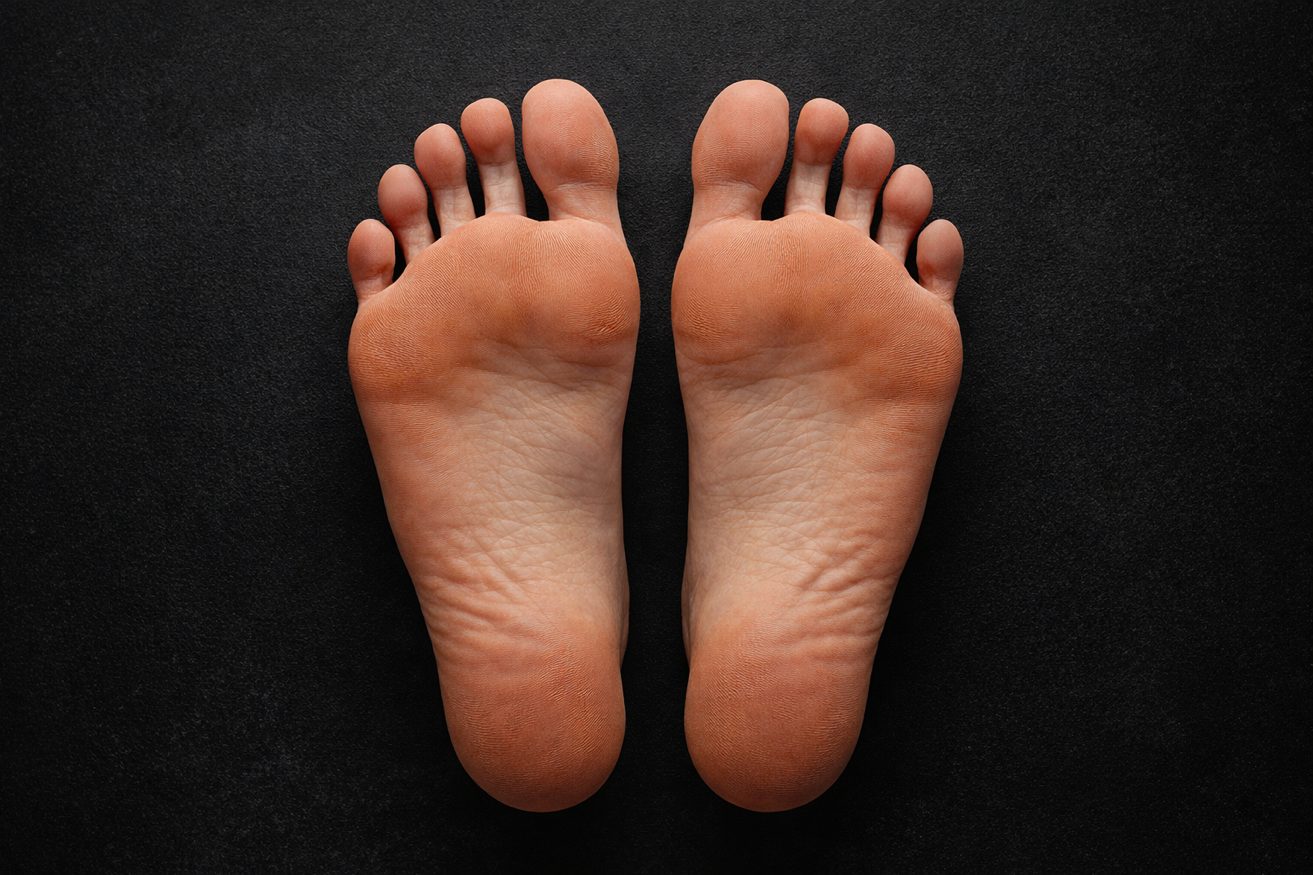
The plantar fascia is a thick band of connective tissue that runs from your heel bone to your toes along the bottom of your foot. It supports the arch and acts as a spring during walking and running. When it becomes inflamed or develops micro-tears — usually at the heel attachment point — that's plantar fasciitis.
The conventional explanation is that the fascia is being overstressed by too much activity, poor footwear, or biomechanical issues. And the conventional treatment follows logically: reduce stress on the fascia with arch supports, heel cups, cushioned shoes, night splints, and rest.
But here's the question nobody asks: why is the fascia overstressed in the first place?
The Muscle Atrophy Theory
Your foot contains over 100 muscles, tendons, and ligaments that work together as a dynamic support system. The intrinsic muscles of the foot — the small muscles that live entirely within the foot — are responsible for supporting the arch, controlling toe movement, and absorbing impact forces during gait.
When these muscles are strong and active, they share the load with the plantar fascia. The fascia doesn't have to do all the work. But when you spend decades in supportive, cushioned shoes, these muscles atrophy. They weaken. They disengage. And the plantar fascia becomes the sole (literally) support structure for the arch.
This is why the standard treatment often provides temporary relief but doesn't resolve the underlying problem. Arch supports take stress off the fascia in the short term — but they also prevent the intrinsic muscles from engaging, which means those muscles continue to atrophy, which means the fascia remains the primary load-bearer, which means the pain returns when you take the supports out.
It's a dependency cycle. More support leads to weaker muscles leads to more fascia stress leads to more support.
The counterintuitive insight: your plantar fascia hurts because your foot muscles are too weak, and your foot muscles are too weak because they've been supported by shoes for too long. The solution isn't more support — it's rebuilding the muscles that should be doing the supporting.
What the Research Shows
Robbins and Hanna (1987) published one of the earliest studies showing that modern footwear is associated with higher rates of foot pathology than barefoot populations. They found that habitually barefoot individuals had stronger foot musculature, better arch integrity, and lower rates of plantar fasciitis.
McKeon et al. (2015) published a landmark paper in the British Journal of Sports Medicine arguing that the intrinsic foot muscles should be trained like any other muscle group. They called the concept the "foot core" — analogous to the trunk core — and argued that weakness in these muscles is a primary driver of common foot problems including plantar fasciitis.
Ridge et al. (2019) conducted an 8-week study where participants performed progressive intrinsic foot muscle exercises. The results showed measurable increases in foot muscle size (confirmed by MRI), improved arch height, and reduced foot pain. The exercises were simple: toe curls, arch lifts, and barefoot balance work.
Wallden (2015) argued that modern shoes create a "sensory deprivation chamber" for the foot, preventing the proprioceptive input that triggers natural muscle engagement. Without sensory feedback from the ground, the foot's stabilizing muscles don't activate, leading to progressive weakness.
The Barefoot Approach to Plantar Fasciitis
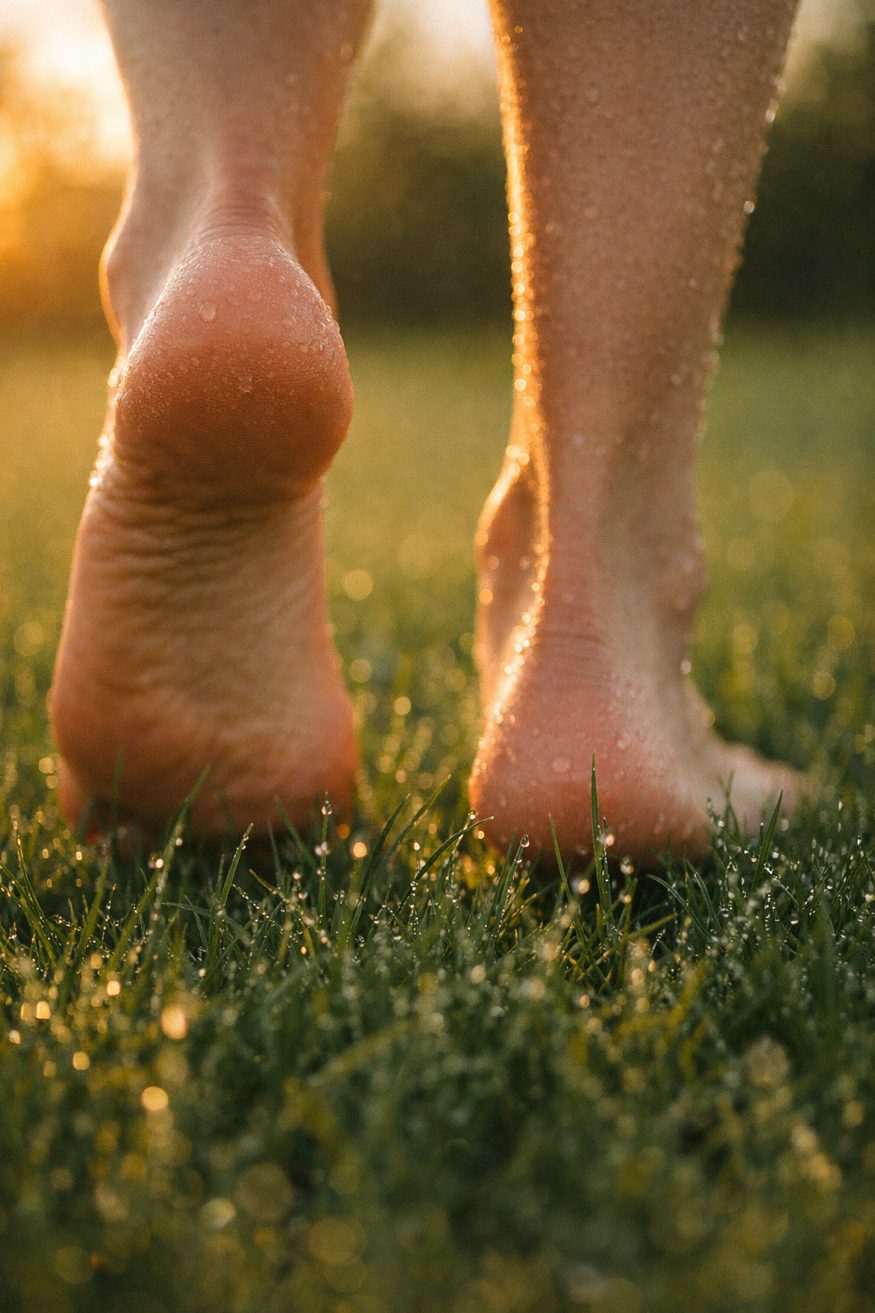
The barefoot approach doesn't mean throwing away your shoes and running a marathon tomorrow. It means progressively rebuilding the intrinsic foot musculature that has atrophied, so that the plantar fascia no longer bears the entire load alone.
Phase 1: Passive Barefoot Time (Weeks 1-4)
Start by simply being barefoot at home on smooth, flat surfaces. No exercises. Just let your feet contact the ground without shoes. Your muscles will begin activating automatically in response to the sensory feedback. Start with 2-3 hours daily and increase gradually. If your plantar fasciitis pain increases, you're progressing too fast.
Phase 2: Intrinsic Muscle Activation (Weeks 2-6)
Add targeted exercises: towel scrunches (scrunch a towel toward you using only your toes), short foot exercises (try to shorten your foot by pulling your arch up without curling your toes), and marble pickups (pick up marbles with your toes and place them in a cup). These directly target the muscles that should be supporting your arch.
Phase 3: Textured Surface Walking (Weeks 4-8)
Introduce varied textures — carpet, grass, gravel paths. The textured input stimulates the mechanoreceptors on your plantar surface, which triggers deeper muscle activation and strengthens the sensory-motor feedback loop. This is where proprioceptive footwear and textured standing mats become valuable.
Phase 4: Progressive Loading (Weeks 6-12)
Begin standing and walking barefoot on harder surfaces for longer periods. Add single-leg balance work. If tolerated, try short barefoot walks outside on smooth terrain. The goal is progressive loading — gradually increasing the demand on your foot muscles so they strengthen over time.
The Important Caveats
This approach is not appropriate for everyone. If you have acute, severe plantar fasciitis with significant swelling or inability to bear weight, you need conventional treatment first to manage the acute inflammation. The barefoot approach is for chronic plantar fasciitis that hasn't responded to standard treatments, or for prevention in people who want to avoid developing it in the first place.
Also: the transition must be gradual. Years of foot muscle atrophy cannot be reversed in days. Attempting too much too fast will exacerbate the problem. Think months, not weeks. The compound effect of daily barefoot time, intrinsic muscle work, and progressive loading is powerful — but only if you give your tissues time to adapt.
The best time to start rebuilding your foot strength was 10 years ago. The second best time is today. Your feet evolved to work without shoes. They can relearn — but you have to give them the opportunity.
Where Proprioceptive Footwear Fits
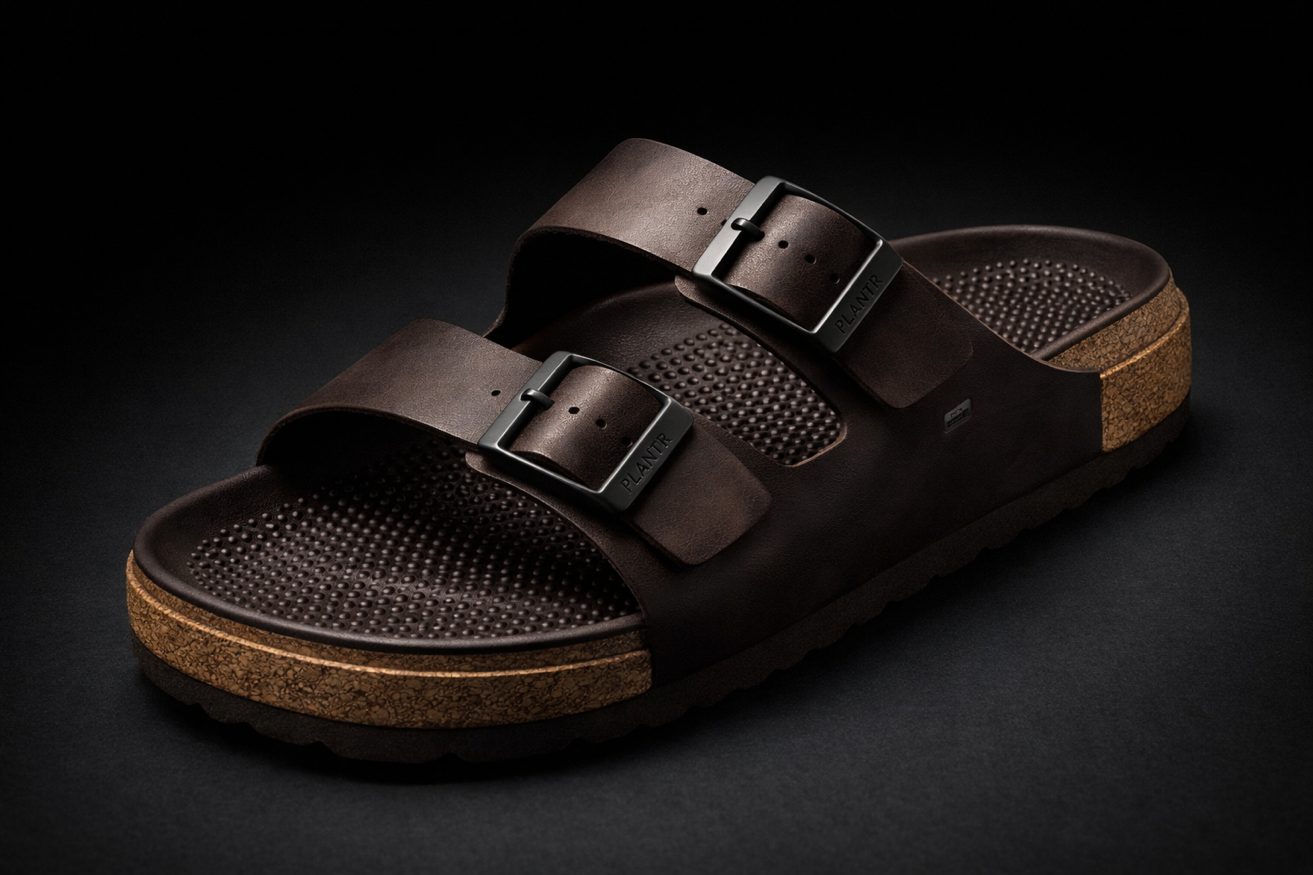
Proprioceptive footwear — slides and insoles with textured surfaces — sits in a unique position for people dealing with plantar fasciitis. It provides sensory stimulation to activate the intrinsic foot muscles without requiring you to be completely barefoot on hard surfaces. The textured footbed triggers the same mechanoreceptor activation as walking on varied natural terrain, but in a controlled, consistent way.
Think of it as a bridge: between the cushioned, supported shoes that got you into trouble and the fully barefoot lifestyle your feet were designed for. You get the muscle activation benefits of barefoot contact with the protection of a structured footbed.